



What Makes a One-Piece White Protective Suit Effective at Blocking Dust and Microbes?
What a One-Piece White Protective Suit Is Designed to Do
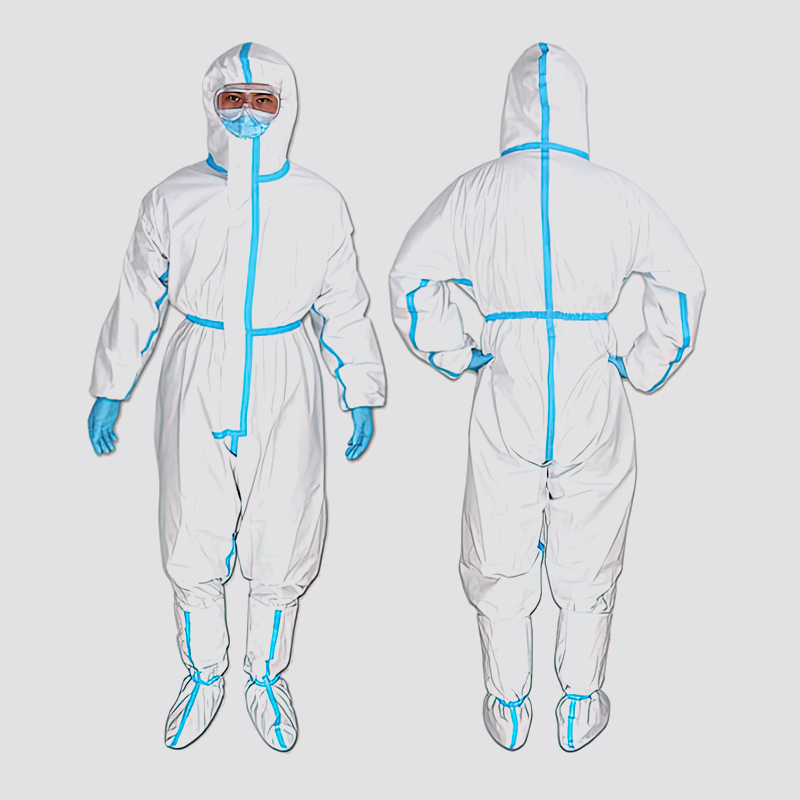
A one-piece white protective suit is a full-body coverall engineered to create a continuous barrier between the wearer and airborne dust, particulates, and microbial contamination. Unlike two-piece garments that separate the top and bottom, a one-piece construction eliminates the gap at the waist where dust and contaminants could otherwise migrate in or out during movement, bending, or reaching. This single-piece design is a core reason these suits are specified in cleanroom manufacturing, laboratory work, pest control, painting and spray finishing, asbestos abatement, and general industrial environments where consistent barrier protection matters more than garment convenience.
The effectiveness of a protective suit depends on how well each closure point, seam, and opening is engineered to prevent contamination pathways, since even a well-made fabric will fail to protect the wearer if gaps exist at the wrists, ankles, hood, or front closure. Understanding each of these design elements helps buyers evaluate whether a specific suit meets the protection level their application requires.
Elasticized Hood Construction and Facial Seal Performance
The hood is one of the most critical components of a protective suit because it sits closest to the wearer's breathing zone and is frequently used in combination with a respirator or face mask. An elasticized hood with a cotton wrap around the face opening allows the fabric to conform snugly around the contours of the face without the stiffness that a non-elasticized hood would introduce. The cotton wrap lining adds a soft, skin-contact-friendly layer at the point where the suit meets exposed skin, which reduces chafing during extended wear while still maintaining a tight enough seal to keep dust and microbes from entering around the hood edge.
This hood design also needs to accommodate compatibility with respirators, safety glasses, or full-face shields commonly worn underneath, since a hood that fits too tightly can dislodge protective eyewear, while one that fits too loosely defeats its contamination barrier purpose. Suits intended for use alongside respiratory protection are typically designed with slightly more fabric allowance around the face opening to accommodate this layering without compromising seal integrity.
One-Piece Zipper Closure for Speed and Barrier Continuity
The front zipper closure running the length of the suit serves two purposes: it allows the wearer to don and remove the suit quickly, which matters significantly in environments where workers cycle in and out of controlled areas repeatedly throughout a shift, and it creates a single, continuous closure line rather than multiple fastening points that could each represent a potential leak path. A properly designed one-piece zipper typically runs from the lower torso up to the neckline or hood base, allowing the wearer to step in, pull the suit up, and seal it in one motion without needing to separately fasten a jacket and pants.
Zipper quality directly affects both durability and contamination control. Coil zippers are generally preferred over metal-tooth zippers in protective suits because they resist snagging on protective fabric, move more smoothly under repeated use, and are less likely to puncture the suit material during donning and doffing.
Elasticized Wrists and Ankles as Contamination Barriers
The wrist and ankle openings represent common points where dirt, dust, and microbes can enter or exit a protective suit if the fit is too loose. Elasticized cuffs at both the wrists and ankles gather the fabric snugly against the skin or against gloves and boots worn underneath, closing the gap that would otherwise exist with a straight-cut, non-elasticized opening. This elastic gathering also helps keep sleeves and pant legs from riding up during bending, reaching, or crouching, which is particularly important during physically active tasks like equipment maintenance or spray application.
In many work environments, elasticized wrists and ankles are further reinforced by taping the cuff to a glove or boot using compatible tape, creating a fully sealed connection point for tasks involving higher contamination risk, such as handling hazardous materials or working in biologically contaminated environments.
Elasticized Waistband and Fit Across Body Types
Because protective suits are typically sized in broad ranges such as small through 5XL rather than custom-fitted, the elasticized waistband plays an important role in accommodating a wide variety of body shapes and sizes without compromising the suit's barrier function. The elastic gathers excess fabric at the waist, which helps the suit maintain a closer fit against the body regardless of the wearer's build, reducing loose, baggy fabric that could catch on equipment or restrict movement in tight workspaces.
A well-designed waistband also improves comfort during extended wear by allowing a degree of stretch during bending and twisting motions, which reduces the strain on seams elsewhere in the suit and helps prevent premature fabric fatigue in high-movement areas.
Heat-Sealed Placket Tape and Internal Seam Protection
The placket, the fabric flap that covers the zipper, is a common weak point in protective garments because the zipper teeth themselves are not a fully sealed barrier. Heat-sealed tape applied to the inside of the placket adds a secondary layer of protection by bonding a continuous strip of material over the seam, closing microscopic gaps that could otherwise allow dust or microbes to pass through the stitching holes along the zipper line. This heat-sealing process fuses the tape to the fabric using controlled heat and pressure rather than adhesive alone, creating a bond that holds up better under movement and repeated flexing than a simple glued seam.
This double-layer approach at the placket, combining the zipper closure with heat-sealed internal tape, reflects a broader principle in protective suit design: critical seams and closures benefit from redundant barriers rather than relying on a single point of protection, since any single seal can degrade with wear over the course of a shift.
Matching Suit Features to Application Requirements
Different work environments prioritize different combinations of these protective features, and understanding the primary contamination risk in a given setting helps buyers select the right suit specification.
| Application | Priority Features |
| Cleanroom Manufacturing | Elasticized hood, low-linting fabric, heat-sealed seams for particulate control |
| Pest Control and Spraying | Elasticized wrists and ankles, taped placket, chemical splash resistance |
| Painting and Spray Finishing | Lightweight breathable fabric, elasticized cuffs to prevent overspray intrusion |
| Medical and Laboratory Settings | Microbial barrier fabric, heat-sealed placket tape, secure hood-to-mask fit |
| General Industrial Maintenance | Durable elasticized waistband, reinforced seams for repeated bending and movement |
Practical Considerations When Sourcing Protective Suits
Buyers sourcing one-piece protective suits in volume should evaluate more than just the presence of these features, since manufacturing quality significantly affects how well each feature performs in practice.
- Confirm seam construction type, since heat-sealed or serged seams generally outperform simple overlock stitching for particulate and microbial barrier consistency.
- Check elastic durability and recovery after repeated stretching, since low-quality elastic can lose its gathering effect after limited use.
- Verify sizing consistency across a full size range, since inconsistent sizing across production batches can result in fit issues that compromise the barrier seal at cuffs and hood.
- Request fabric specification data relevant to the application, such as particulate filtration efficiency for cleanroom use or splash resistance ratings for chemical handling tasks.
A well-constructed one-piece protective suit brings together hood design, closure engineering, cuff elasticity, waistband fit, and seam sealing into a single coordinated barrier system, and evaluating each of these elements individually gives buyers a clearer basis for comparing suits across different suppliers and specifications.
Odporúčané produkty
-
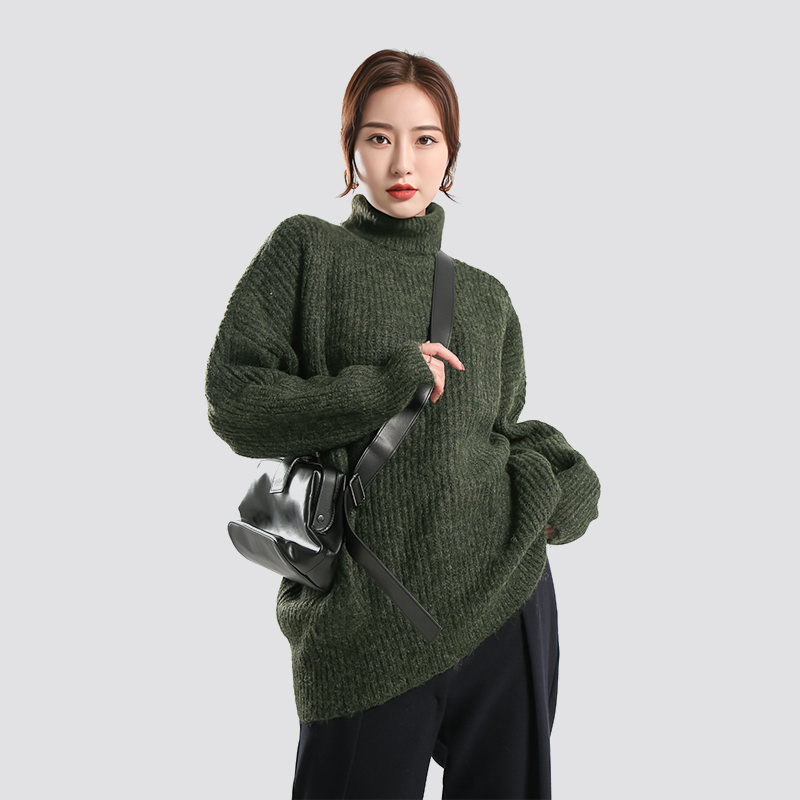
Tmavozelený vlnený sveter z kašmíru
-
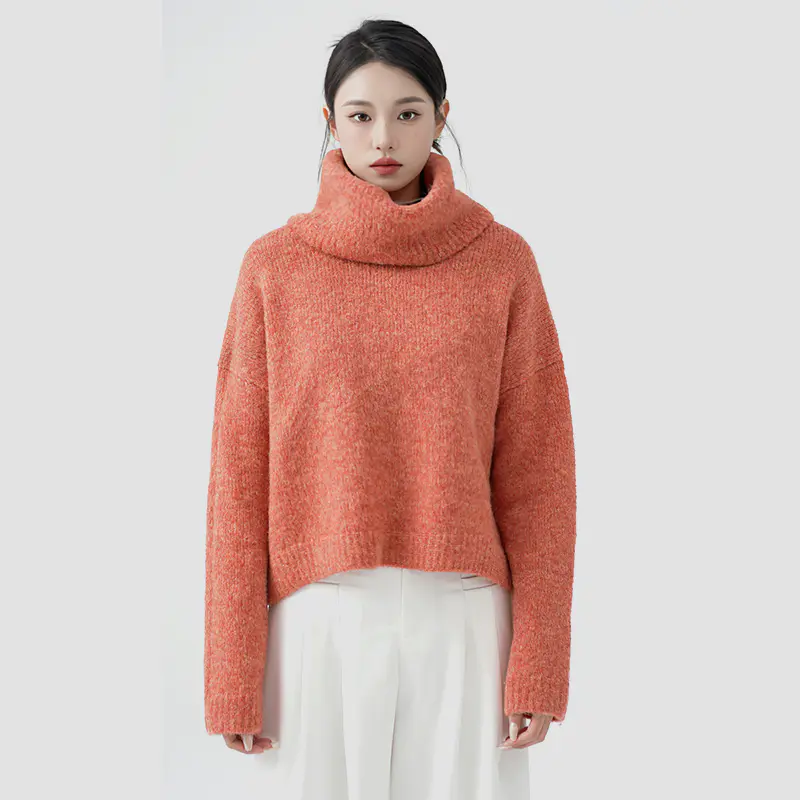
Oranžový sveter s voľným výstrihom
-
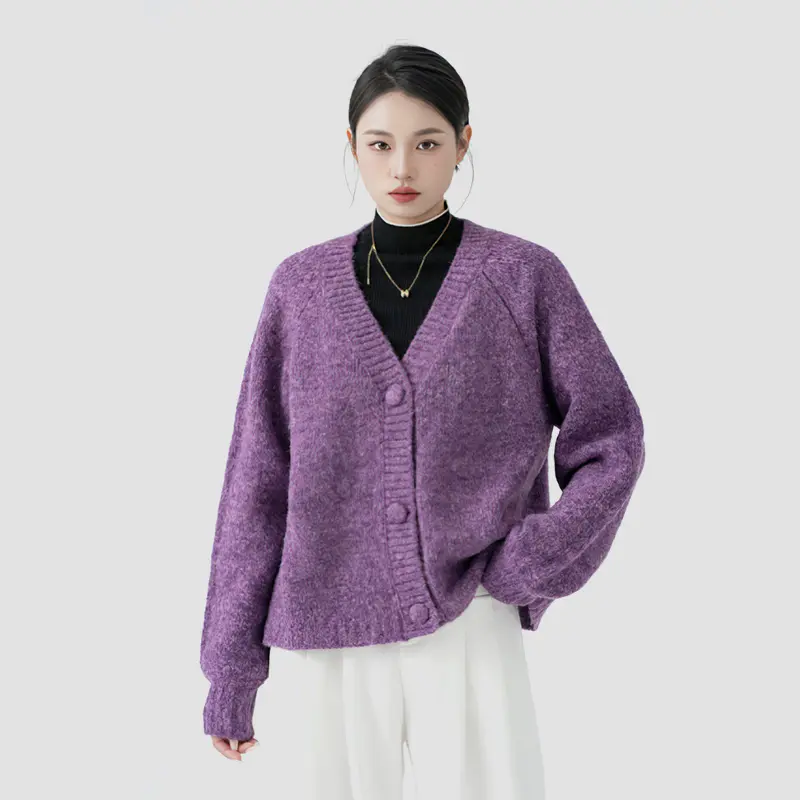
Romantický fialový kardigan
-
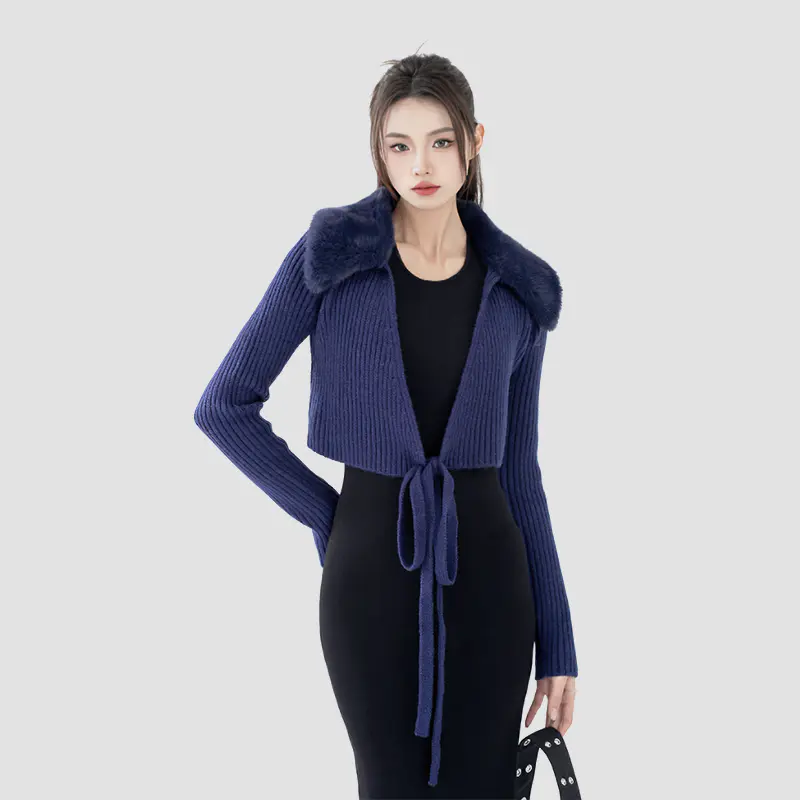
Kožušinová klopa Šnurovací sveter
-
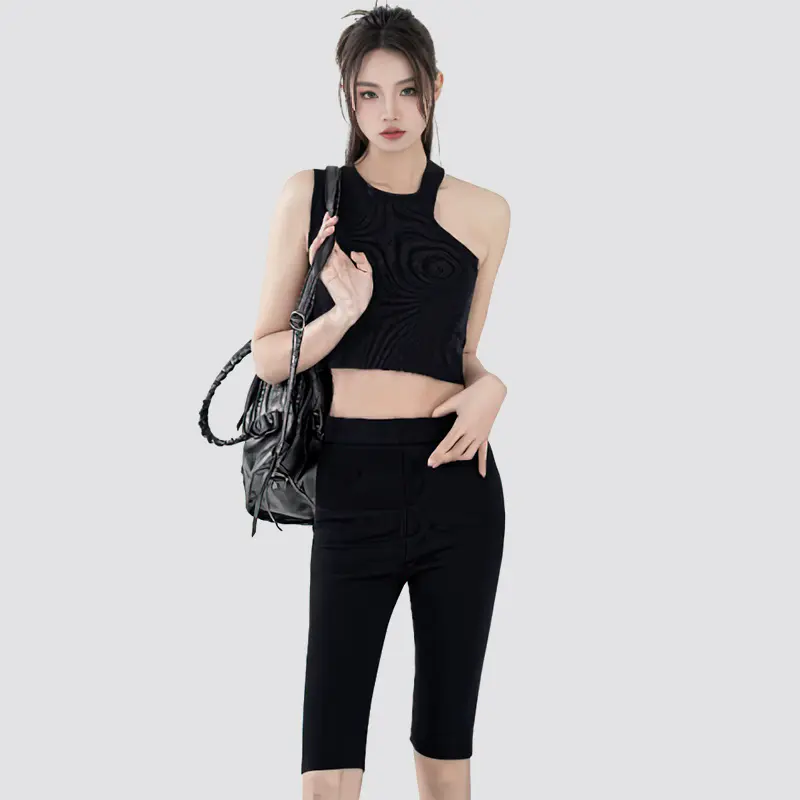
Vystrihnuté pletené tielko
-
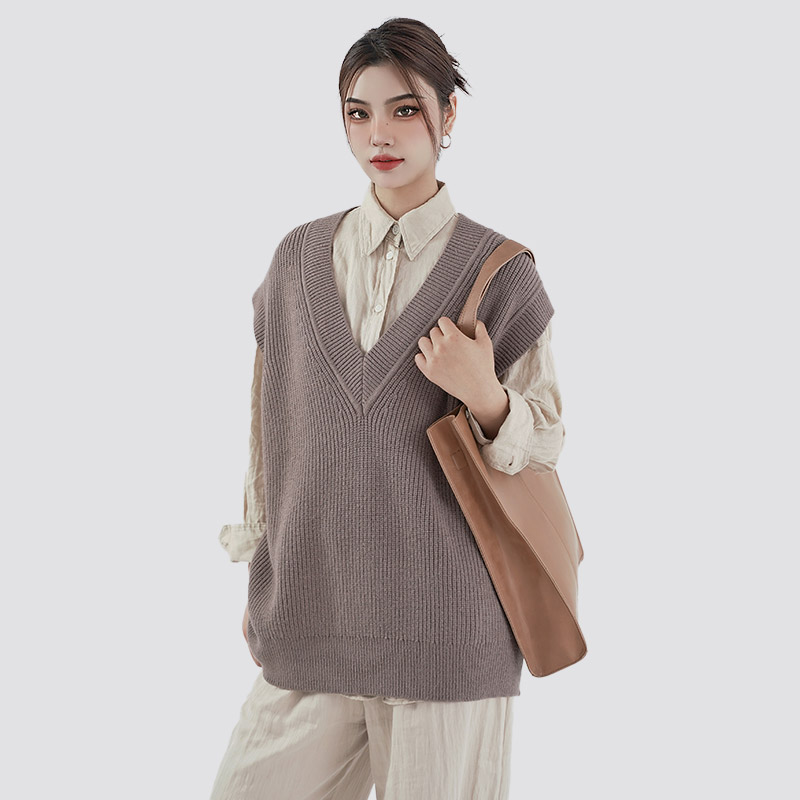
Pletené tielko s výstrihom do V
-

Swingové svetrové šaty so zrezaným pásom
-
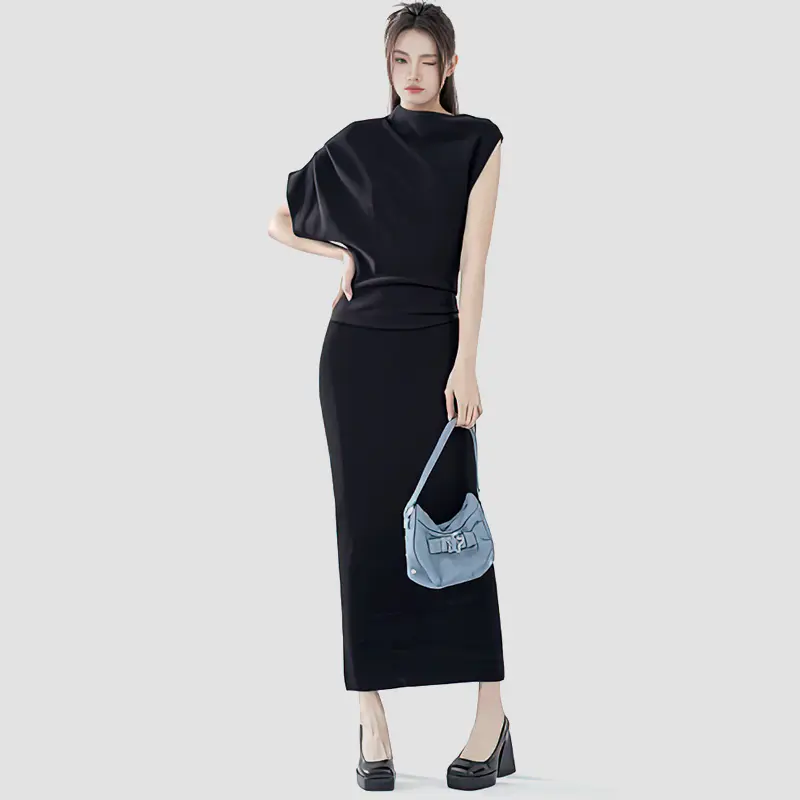
Štýlové dlhé šaty z asymetrického úpletu
-
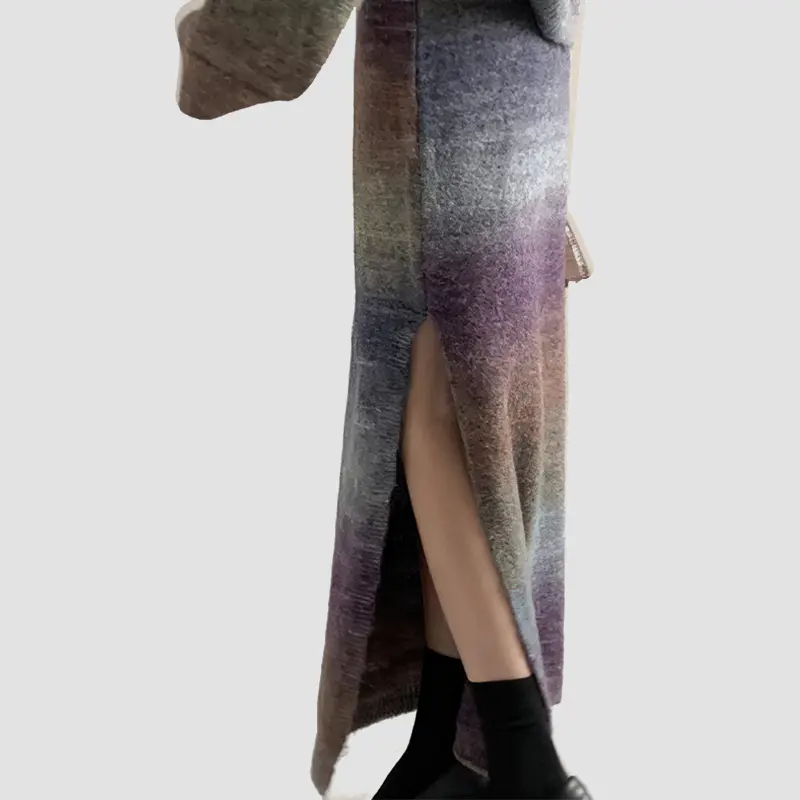
Polovičná sukňa s prechodovou farbou na boku
-
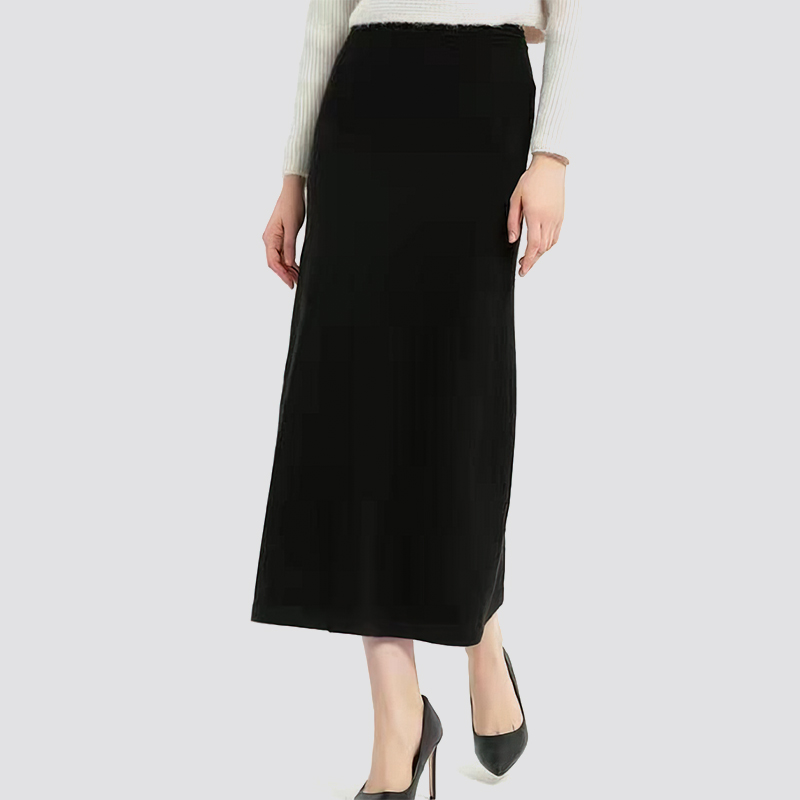
Čierna A-čková sukňa
-
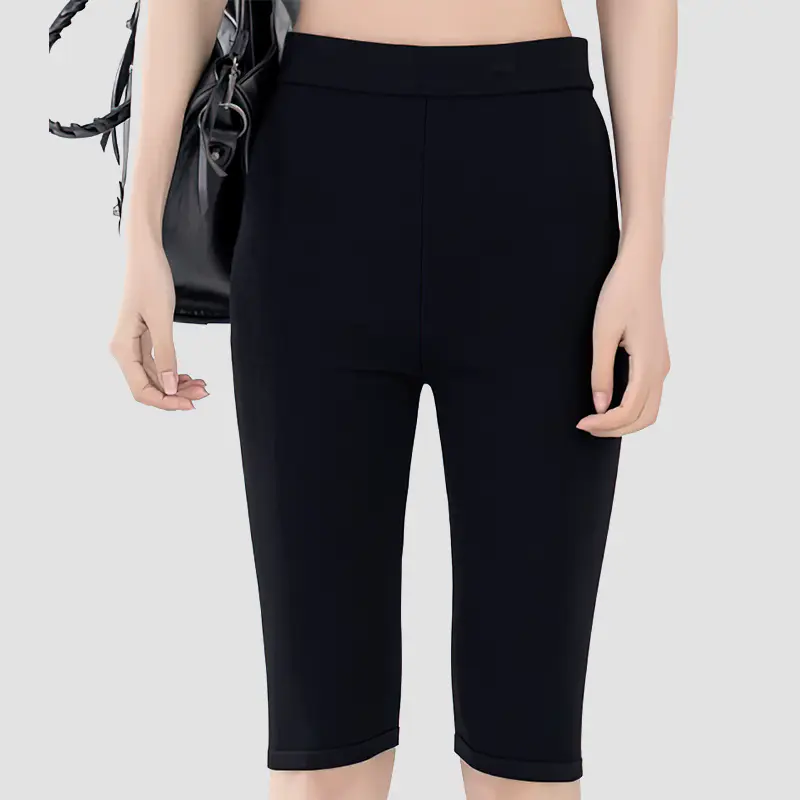
Tenké ľadové hodvábne legíny na chudnutie
-
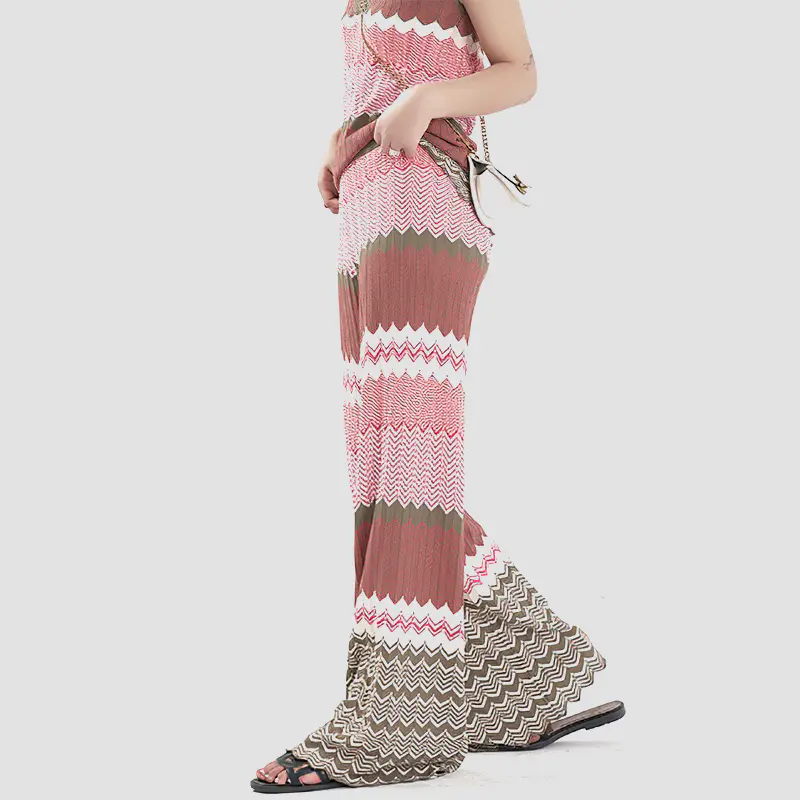
Pruhované voľné nohavice
-

Tel: +86-13913661100
-

Email: frank@sofiafashion.com
-

Add: No.886, Minfeng Road, Xushi Street, Dongbang Town, Changshu, Jiangsu, Čína
© 2023 Skupina Sofia. All rights reserved
